







Search Results for: Landrace local varieties
Heirloom and Landrace on Ethiopian Coffee Labels: How Exactly Do We Distinguish Native Varieties from Landraces?
Friends who frequently buy Ethiopian coffee beans are certainly familiar with the variety label "Heirloom," usually translated into Chinese as "native species" or "heirloom." But in the past two or three years, another term has quietly appeared on the packaging of some Ethiopian beans—"Landrace." What exactly is the relationship between it and Heirloom? Are they different names for the same thing, or two completely different concepts? In this article, Front Street will take a careful look at the origins and evolution of Landrace local varieties, starting from Ethiopia's garden planting system, sorting out the mixed-harvest nature of Heirloom, then moving on to JARC's work in identifying local varieties, and why more and more international green bean merchants have begun to purchase these varieties with distinctive regional characteristics separately. At the end, we also include information on the Kaffa Forest lot currently sold by Front Street for everyone's reference and comparison. [more…]
Landrace and Heirloom in Ethiopian Coffee Beans: What Exactly Is the Difference Between Native Species and Local Varieties?
When purchasing Ethiopian coffee, the terms "native species" or "heirloom" commonly seen on packaging are already familiar to many, but in the past two to three years, a new term, "landrace," has also begun to appear frequently. What exactly is the difference and connection between the two? This article, from the perspective of Front Street, sorts out the essence of heirloom mixed harvesting, the logic behind the formation of landrace local varieties, and, using the specific case of Front Street Kafa Forest coffee beans, explains the regional story behind variety labeling. At the same time, it will also clarify a common misconception: Kafa Forest and Panama Geisha are completely different things; the former emphasizes the terroir of the origin, rather than a specific variety. [more…]
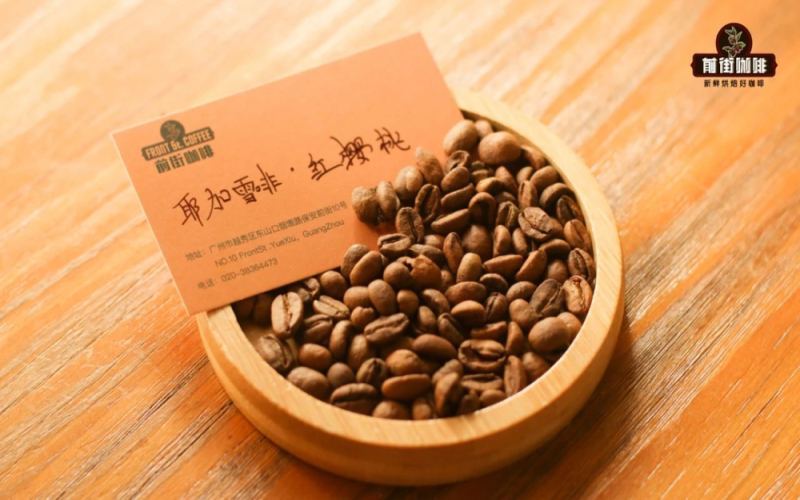
Ethiopian Coffee Bean Label Guide: Differences Between Heirloom, Landrace, and Regional Varieties, and G1 Bean Recommendations
When selecting Ethiopian coffee, the variety labels on the packaging often leave people confused: Heirloom is translated as "native species" or "heirloom," and in recent years the term Landrace (local variety) has also appeared. What exactly do these names refer to? What is the relationship between them? This article will start from the garden farming model of Ethiopian coffee, clarify the concept of Heirloom as a mixed lot, explain how Landrace is selected, identified, and harvested separately from the field, and also recommend Front Street Coffee's Kaffa Forest G1 washed beans, as well as its difference from Panama Geisha. [more…]

An Analysis of Ethiopian Heirloom and Landrace Coffee Varieties: Native Species Characteristics and the Evolution of Their Naming
When you look at the origin information on a bag of Ethiopian coffee beans, the variety field often says "Heirloom." What exactly does this mean? It is actually a collective term for Ethiopia's local heritage varieties, and it is estimated that there are tens of thousands of native coffees in the region that have not yet been formally identified. This article will systematically sort out the differences between Heirloom and Landrace, from the meaning of the terms, classification, and flavor expression to naming trends, and also introduce the meaning of the numbering of JARC-bred varieties. The article also combines several beans from Front Street Coffee to explain the reasons why Ethiopian beans vary in size and why their flavors change from year to year, helping you gain a more comprehensive understanding of the variety diversity of this birthplace of coffee. [more…]
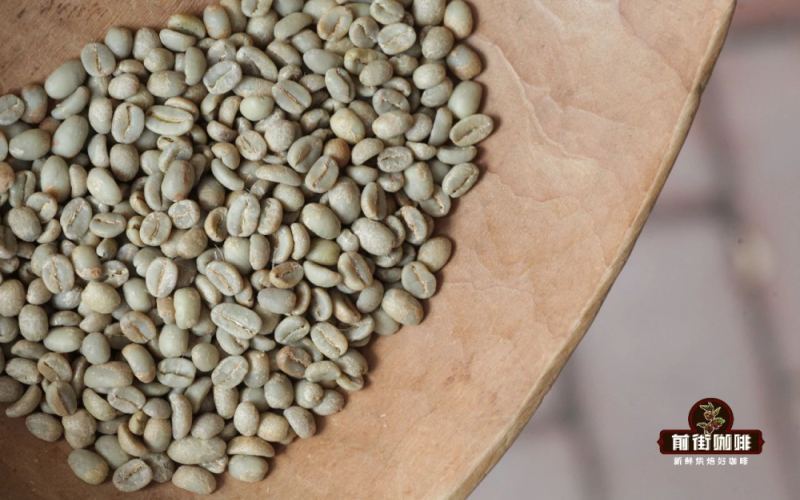
Ethiopian Heirloom Coffee Beans Explained: Differences from Landrace Varieties and Grading Standards
Ethiopia, as the birthplace of coffee, boasts an astonishing variety of cultivars, with nearly 2,000 varieties recorded to date, of which 1,927 are native varieties. Ethiopian coffee beans commonly found on the market are mostly labeled as Heirloom native varieties, but in recent years Landrace local varieties and numbered varieties have gradually gained popularity. In this article, Front Street Coffee will systematically sort out the definition, classification, and identification challenges of Heirloom native varieties, analyze the origins of Landrace and numbered varieties, and introduce in detail Ethiopia's coffee bean grading standards. Finally, it recommends a number of Front Street selected Ethiopian native varieties, covering well-known products such as Gedeb, Red Cherry, Woka, Aricha, and Huakui 5.0, with roasting and brewing data shared as well. [more…]
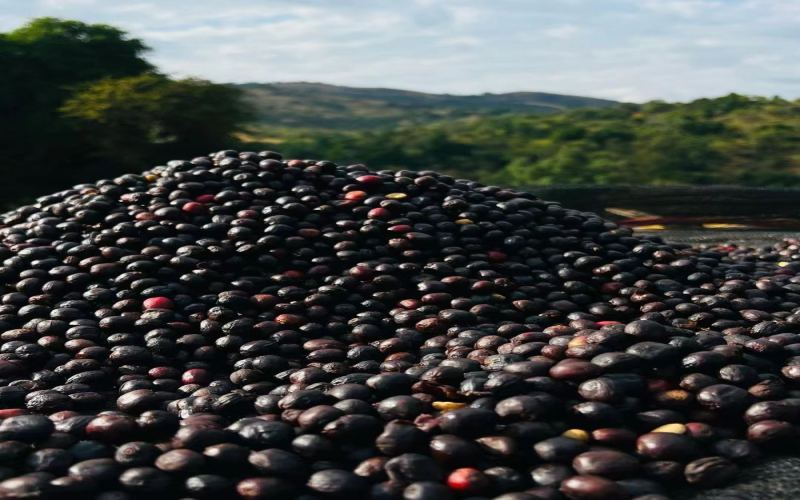
Ethiopian Coffee Variety Analysis: Characteristic Differences Between the Native Heirloom Variety and the Numerically Bred Varieties 74158, 74112, and 74110
Ethiopia, as coffee's genetic treasure trove, has a variety system far more complex than one might imagine. The Heirloom native variety label commonly seen on the market is actually a collective term for mixed-harvest varieties, not a single specific variety. The numeric codes such as 74110, 74112, and 74158 that have frequently appeared in recent years originate from JARC's disease-resistant breeding program in the 1970s. This article will systematically sort out the classification of Ethiopian coffee cultivation models, the essential meaning of Heirloom, the origin of the 74-series numeric varieties, and the identification and naming of Landrace local varieties, helping coffee enthusiasts understand the variety information on Ethiopian coffee bags. [more…]
Exploring Ethiopia's Gesha Village: A Full Analysis of the Origin, Processing, and Flavor of Gori Gesha Natural Landrace
Gesha Village is a green coffee brand that has attracted much attention in the specialty coffee world in recent years, and its Gori Gesha natural heirloom is especially sought after by many coffee enthusiasts. This article will take you deeper into the founding story of Gesha Village, the unique terroir of the Bench Maji production area, the discovery journey of the Gori Gesha forest, and the quality control details of the natural processing method. From green bean analysis to roasting curves, and then to cupping flavors and brewing suggestions, this is a comprehensive breakdown of this natural Gesha from the birthplace of Gesha. Front Street Coffee will also recommend suitable brewing parameters to help you recreate that captivating floral and fruity aroma and bright acidity at home. [more…]
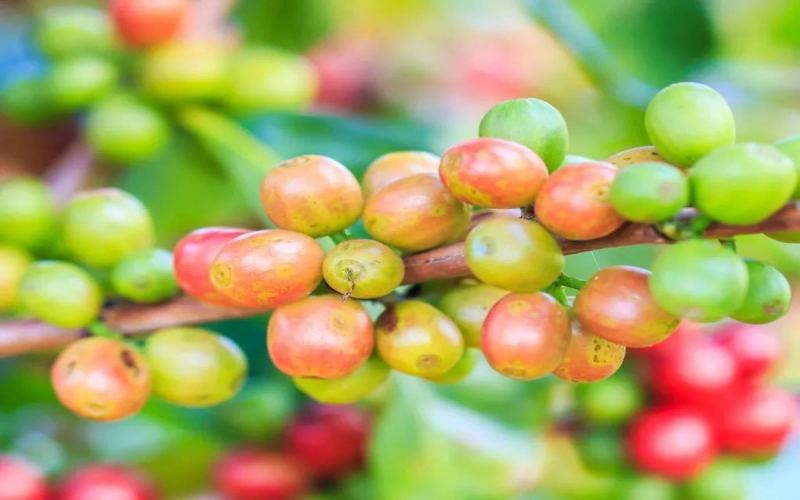
A Complete Guide to Arabica Coffee Varieties: From Typica to Landrace—Specialty Flavors and Recommendations
Arabica and Robusta are the two most common coffee varieties on the market, with the former becoming the mainstream of specialty coffee thanks to its delicate flavors and rich aromas. This article begins with the differences between the two, then systematically sorts out the main members of the Arabica family—Typica, Geisha, Bourbon, Caturra, and Ethiopian heirloom varieties—analyzing each one's origin, characteristics, and flavor profile. At the same time, drawing on recommended products from Front Street Coffee, it helps coffee lovers understand how variety and terroir together shape the final taste of a cup of coffee. [more…]
Are Hualkui and Geisha the Same Variety? Unraveling the Origins of Ethiopian Heirloom Coffee
Hunkute Coffee and Geisha Coffee often confuse friends who are new to specialty coffee, as both have shone brightly in international competitions and both names carry a strong Eastern flair. But are they actually the same variety? And what exactly is the concept of Ethiopian heirloom varieties? This article, from the perspective of Front Street Coffee, sorts out the historical origins, variety characteristics, and naming logic of Hunkute and Geisha, and provides detailed product information and pour-over recommendations for Hunkute 8.0 and Small-Bean Hunkute, helping readers clearly distinguish between these two coffee beans with very different styles. [more…]
Exploring Ethiopia's Gesha Village: A Complete Analysis of the Gesha Gori Heirloom Natural Flavor and Processing
Geisha is now a star variety in the specialty coffee world, but few people know that its place of origin is actually Ethiopia. Gesha Village, located in the Bench Maji region, is the estate established by the Overtons after rediscovering wild Geisha in the Gori Gesha forest. This article will take you through the story of Gesha Village's creation, its strict quality control system, its natural processing method, and the roasting and brewing analysis of this Gesha landrace Gesha Gori recommended by Front Street Coffee. From the producing region background to the cup profile, from the green bean appearance to the extraction parameters, this article presents the charm of this unique coffee in full. [more…]
Flavor Characteristics and Brewing Guide of Ethiopian Gesha Village Gesha Gori Natural Heirloom Coffee Beans
Gesha Village Coffee Estate, located in the Bench Maji zone of Ethiopia, is a green coffee brand that has attracted much attention in the specialty coffee world in recent years. Its naturally processed Gori Gesha landrace, with its unique floral and fruity aroma and delicate mouthfeel, has become highly sought after by many coffee enthusiasts. This article will guide you through the founding background of Gesha Village Coffee Estate, the discovery journey of the Gori Gesha forest, the estate's strict quality control system and processing methods, and provide an in-depth analysis of this coffee's green bean characteristics, roasting curve, and cupping flavor performance. At the same time, Front Street Coffee will also share brewing suggestions and parameters for this Gesha to help you better present its multi-layered flavor charm at home. [more…]

A Comprehensive Analysis of Indonesian Java Coffee: Are Production Regions, Varieties, and the Java Variety Actually the Same Thing?
The word Java actually encompasses three different references in the coffee world: it can be an Indonesian growing region, the name of a coffee variety in the cup, or used as a broader umbrella term. This article, from the perspective of Front Street, first introduces the geography and historical background of Java Island as Indonesia's second-largest coffee-producing region, then traces back to the Dutch introduction of Typica to Java and the later shift from Arabica to Robusta. It then focuses on clarifying the true identity of the Java variety—it did not originate in Indonesia but is a local variety selected in Ethiopia and later introduced elsewhere—and distinguishes the physical differences between long-berry and short-berry Java. After reading, you will understand: the Java variety can be called Java coffee, but Java coffee is not necessarily the Java variety. [more…]
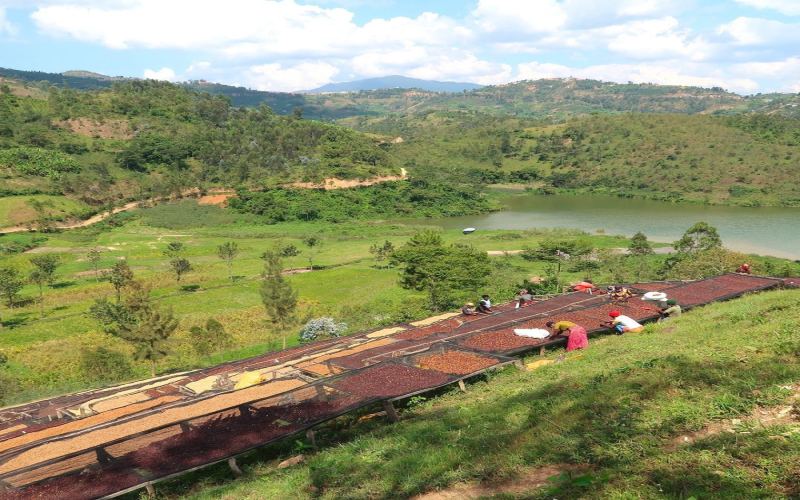
Yirgacheffe and Sidamo: How Ethiopian Washed Processing Achieves the Classic Flavors of Specialty Coffee
Yirgacheffe is one of Ethiopia's most representative specialty coffee regions. Its flavor has evolved from the rough natural-process profile of the early days to today's clean, bright lemon-citrus notes, a transformation inseparable from the washed processing technique introduced in 1972. This article will outline Yirgacheffe's grading background, the processing differences between washed and natural methods, and the origins of the local heirloom variety. At the same time, focusing on three single-origin offerings from Front Street Coffee—Washed Yirgacheffe, Natural Red Cherry, and the Gudingding Cooperative—it introduces flavor characteristics, roasting approaches, and brewing parameters, offering coffee lovers a practical reference for everyday drinking and pour-over practice. [more…]
A Complete Analysis of Ethiopian Coffee Varieties: From the Native Heirloom to the Origins of the 74/75 Numerical Lines
As the birthplace of coffee, Ethiopia has a variety system far more complex than we might imagine. What exactly does the commonly seen Heirloom native variety mean on the market? What do the numerical codes such as 74110 and 74158 that have frequently appeared on packaging in recent years represent? This article will sort out the three cultivation models of Ethiopian coffee, trace the historical context of the JARC disease-resistant breeding program in the 1970s, explain the naming logic of the 74/75 series lines, and introduce the progress in identifying and naming Landrace local varieties. At the same time, by combining specific products such as Front Street Coffee's Kafa Forest washed lot and Sidamo Santaverney 74158, it will help readers build a complete understanding of Ethiopia's variety system. [more…]
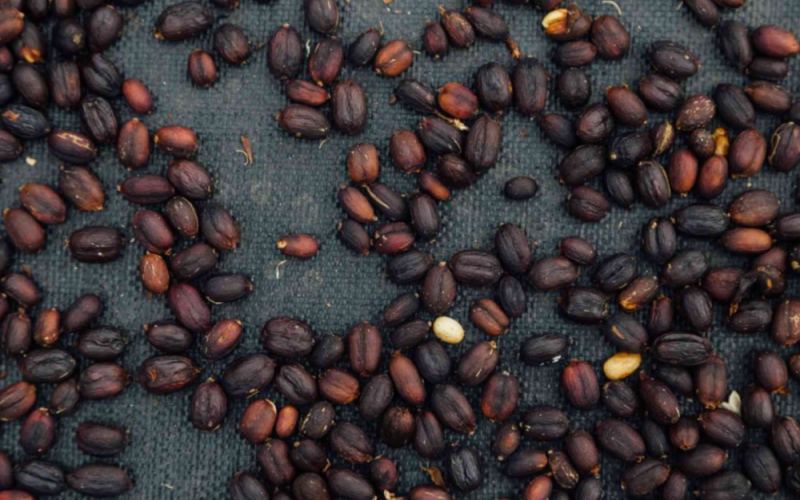
What exactly is the origin of the Chiroso that fetched the highest price in the BOP multi-variety category?
Chiroso has achieved numerous successes in competitions such as LOD and COE in recent years, and this year it even secured the highest price in the multi-variety group at the BOP global auction at $488 per kilogram. This variety originates from Urrao in Antioquia, Colombia; its plant appearance resembles Caturra, yet its bean shape is closer to Bourbon, and it gets its name from the disordered arrangement of its leaves. It was once mistaken for a natural mutation of Caturra or Bourbon, until 2021 when COE organizers confirmed through genetic testing that its lineage is an Ethiopian landrace. This article will outline Chiroso's discovery location, terroir conditions, flavor performance, and naming process to help you gain a comprehensive understanding of this highly anticipated coffee. [more…]
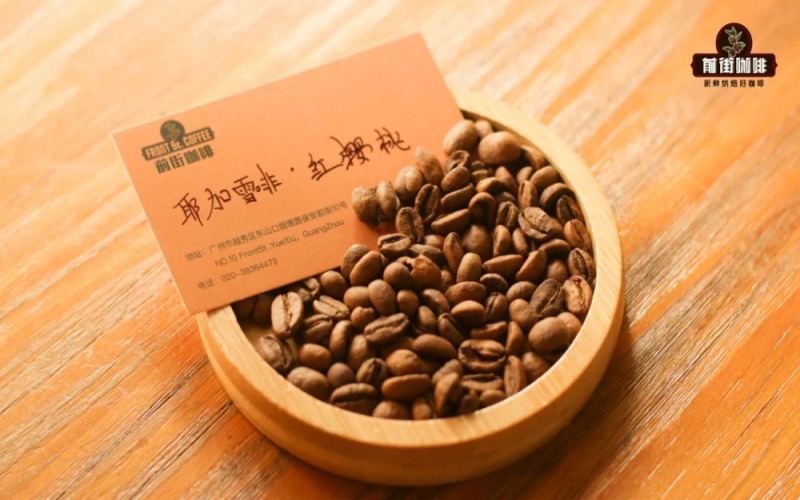
Ethiopia Yirgacheffe Aricha Natural G1: Flavor Analysis of the Adorsi Processing Station TOH Championship Batch
Yirgacheffe, as an iconic specialty coffee region in Ethiopia, has always drawn attention to its natural process lots. This article focuses on the Yirgacheffe Aricha Natural G1 launched by Front Street Coffee. This lot comes from the Adorsi processing station and won first place in the natural group at the 2019 Ethiopia harvest season cupping competition, with a score as high as 91 points. The article will guide you through Yirgacheffe's regional terroir, the background of the Adorsi processing station, an overview of the TOH competition, and the varietal characteristics of the Heirloom landrace. It also breaks down in detail the five steps of the natural processing method and provides complete product information and cupping flavor notes for this coffee. [more…]
A Complete Analysis of Ethiopia's Nine Major Coffee Regions: Yirgacheffe, Sidamo Native Species Flavors, and Front Street Roasting & Brewing Guide
As the birthplace of Arabica coffee, Ethiopia is home to the world's largest coffee gene pool. Its nine specialty regions each possess a distinct terroir character, from the citrus and floral notes of Yirgacheffe to the wild, complex aromas of Harrar, from the rich fruity tones of Sidama to the sandalwood finish of Limu, presenting an astonishing spectrum of flavors. This article systematically reviews the altitude, processing methods, and flavor characteristics of Ethiopia's various regions, offers an in-depth interpretation of the variety classification logic behind Heirloom landraces, including the origins of the JARC series, Dega, and Kurume, and, combined with Front Street Coffee's Huakui roasting curve and V60 brewing parameters, provides coffee lovers with a complete guide from origin to cup. [more…]
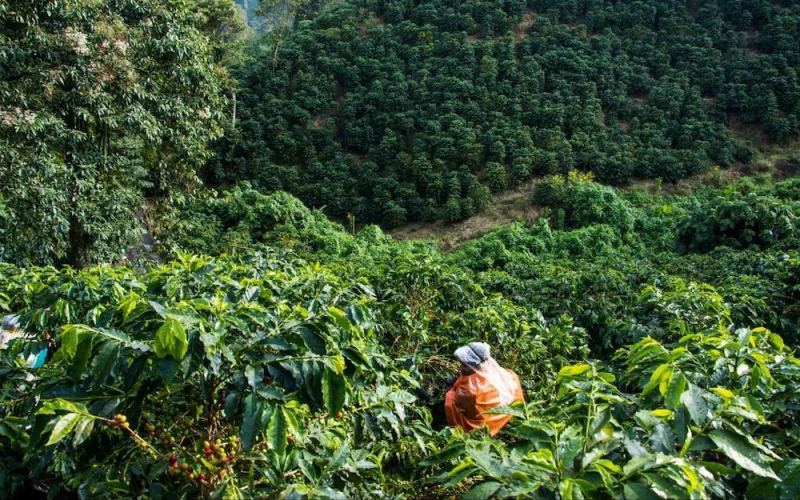
The Origin of African Coffee: Ethiopia's Coffee Variety System, Grading Standards, and Yirgacheffe Brewing Guide
As the birthplace of Arabica coffee, Ethiopia nurtures a highly distinctive regional flavor profile thanks to tens of thousands of native varieties in its southwestern forests. This article will start from the variety classification system, analyze the differences between landraces and the 74/75 numeral series, explain the G1 to G5 defective bean grading standards, and provide an in-depth analysis of the flavor performance of washed Yirgacheffe G2. At the same time, Front Street Coffee will share the specific parameters for the V60 three-pour brewing method, including adjustment ideas for grind size, water temperature, and coffee-to-water ratio, to help coffee lovers gain a more complete understanding of the unique charm of Ethiopian coffee. [more…]

What variety is Chili Geisha coffee? What is the relationship between Aji, Bourbon, and Geisha? Does the Chili bean from Finca La Divisa really taste spicy?
In recent years, a rather buzzworthy name has emerged in the coffee world—Aji Chili Coffee. Is it actually Bourbon? Why is it also called Chili Geisha? Do the beans really carry a chili flavor? Front Street Coffee specially acquired a small lot of washed Aji Chili beans from Finca La Divisoria in Colombia, peeling back the layers of this mysterious coffee—from its varietal origins and genetic identification to actual cupping flavors. The article also fully documents Front Street's roasting approach and tasting impressions, helping you understand the identity and taste of Aji Chili Coffee all at once. [more…]
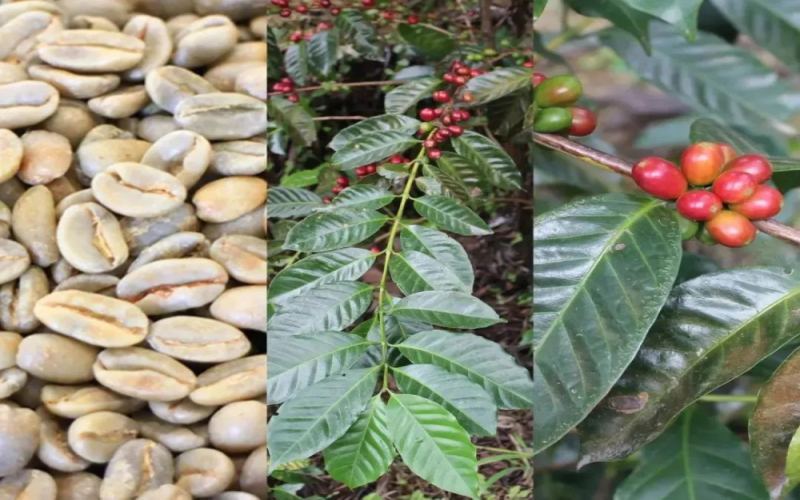
Tracing the Origins of Geisha and Its Rise in Panama: From Ethiopian Forests to a Global Bidding Frenzy
Geisha is often mistakenly believed to be native to Panama, but its genetic roots actually lie in the forests of southwestern Ethiopia. This variety was first recorded as Geisha, then traveled through Kenya, Tanzania, and Costa Rica, before finally being discovered at Hacienda La Esmeralda in Panama, where its astonishing flavors were unveiled. Its victory in the 2004 BOP competition and record-breaking auction prices catapulted Geisha to become one of the most sought-after coffee varieties in the world. This article will trace Geisha's complete journey from a local variety to a global star, and explain the origin of its name, its flavor differences, as well as information on the Panamanian Geisha products currently sold by Front Street Coffee. [more…]